
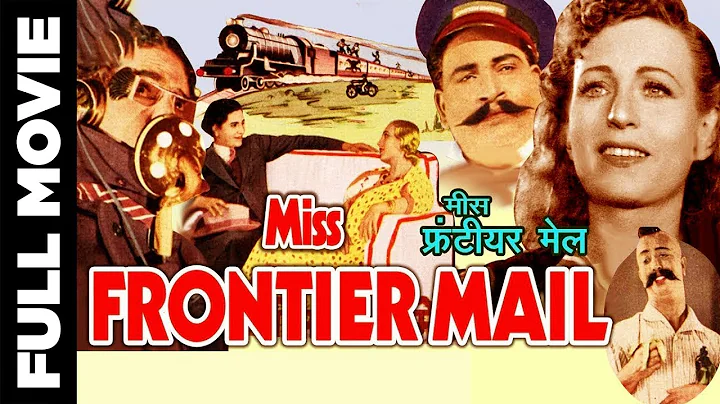


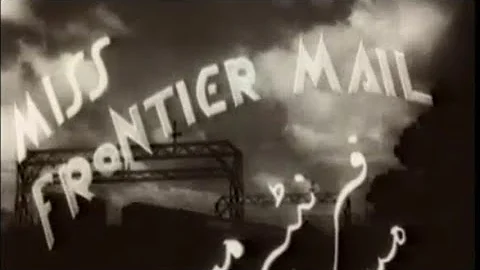
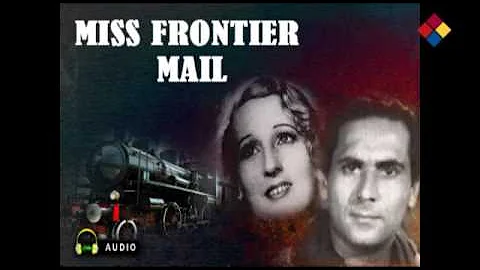
Miss Frontier Mail was an important stunt movie of 30s.
Its earlier name was changed. -
The earlier name of ‘Miss Frontier Mail’ was simply ‘Frontier Mail’.
Reason for change- Four weeks before its realease in 1936, the producer of this film JBH Wadia received an objection from the BB & CI Railway Company official that your film could tarnish the image of our trains specially a very popular Frontier Mail by showing the dangers of train travel.

Its earlier name was changed. -
The earlier name of ‘Miss Frontier Mail’ was simply ‘Frontier Mail’.
Reason for change- Four weeks before its realease in 1936, the producer of this film JBH Wadia received an objection from the BB & CI Railway Company official that your film could tarnish the image of our trains specially a very popular Frontier Mail by showing the dangers of train travel.
Frontier Mail Name Change
The film “Miss Frontier Mail” was originally titled “Frontier Mail.” However, JBH Wadia faced criticism from the B.B. and C.I Railway due to the film’s posters showing a crashing train. After a country-wide poll, the film’s title was changed to “Miss Frontier Mail” to avoid further controversy.


Miss Frontier Mail (1936) - IMDb
www.imdb.com/title/tt0271640/Rating: 7.2/10 - 6 votesSavita, aka Miss 1936, is an amateur hunter while her brother Jayant is an amateur film-maker. Their father, Maganlal, arrested for the murder of a station-master ...
Director:
Homi Wadia
Writer:
J.B.H. Wadia
Cast
Cast overview: Fearless Nadia 
... Savita / Miss 1936Gulshan----
film-Krodh 2000
Passenger at bus station -(at start of film)Sardar Mansur ... Master Mohammed[station master Maganlal (Master Mohammed, who also wrote the music for the film] ... MaganlalSayani Atish 
... Shyamlal (as Sayani)John Cawas 
Jal Khambatta Jaidev Minoo the Mystic Edit
Storyline
Savita, aka Miss 1936, is an amateur hunter while her brother Jayant is an amateur film-maker. Their father, Maganlal, arrested for the murder of a station-master, is defended by their uncle Shyamlal, who is in fact the mysterious Signal X. Shyamlal causes a major train smash-up so as to promote his new airline. He then implicates hero Sundar, son of the railway president, in the crime. Savita overcomes the nasty Signal X, whose henchmen are caught on film by Jayant as they sabotage a bridge. Nadia indulges in extensive fist-fights, set to heavy sound effects, and a famous battle alongside Sundar atop a moving train. Written by Sujit R. VarmaPlot Summary | Add Synopsis
Country:
IndiaLanguage:
HindiRelease Date:
17 February 1994 (Germany) See more »
Company Credits
Show detailed company contact information on IMDbPro »
Technical Specs
Runtime:
Sound Mix:
MonoSee full technical specs »Color:
Black and WhiteUser Reviews
An entertaining film with unique view of India in the 30s
It's a little strange film. Savita's father was suspected of murder, which actually his brother committed. The brother is in an airline company (in its very beginning, the 30s!) and he wants the train system (where Savita's father works) to fail. So he tries a lot. Savita goes to prove his innocence. In the way she hits a lot of guys in a circus-like way, fights, runs like a hurricane and that's why she gets the nick "Miss Frontier Mail", the fastest train in India of this time.
A tad long film, but great view over India of the 30s which has changed a lot.CC
CC
indiavideodotorg Miss Frontier Mail released in 1936 is an adventurous stunt film starring the legendary stunt actress 'Fearless Nadia'. For more ...Miss Frontier Mail (1936) - Wikipedia
en.wikipedia.org/wiki/Miss_Frontier_MailMiss Frontier Mail is a 1936 action crime thriller film directed by Homi Wadia and produced by Wadia Movietone. The film starred Fearless Nadia, billed as the ...
Miss Frontier Mail, 1936, Adventurous stunt Hindi film ...
www.youtube.com/watch?v=6U_UGKPzFhYMay 30, 2012 - Uploaded by indiavideodotorgMiss Frontier Mail released in 1936 is an adventurous stunt film starring the legendary stunt actress ...Miss Frontier Mail 1936 : Remembering Nadia , Part 2 : Rare ...
www.youtube.com/watch?v=gumb4-8trjYFeb 21, 2011 - Uploaded by Basheer Ahmed Khan Azeemi-NostalgiccMiss Frontier Mail 1936 : Remembering Nadia , Part 2 : Rare & Nostalgic Clips From The Movie. Basheer ...Miss Frontier Mail, Wadia Movietone, Fearless Nadia, Indian ...
www.indiavideo.org/cinema/miss-frontier-mail-7378.phpProduced by Wadia Movietone and directed by Homi Wadia, Miss Frontier Mail was released in 1936. An adventurous stunt film starring the legendary stunt ...Miss Frontier Mail (1936) | MemsaabStory
memsaabstory.com/2012/06/22/miss-frontier-mail-1936/Jun 22, 2012 - Miss Frontier Mail is utterly charming, made with the usual Wadia enthusiasm and ... It must be said that the two women in this film are really the ...[PDF]Miss Frontier Mail: the film that mistook its star for a train
westminsterresearch.wmin.ac.uk/4710/1/Thomas_2007_final.pdfby R Thomas - 2007 - Cited by 1 - Related articlesFour weeks before Miss Frontier Mail s release in May 1936, producer J.B.H. ... He had rewarded them with Frontier Mail, a film about the dangers of rail travel,.
Miss Frontier Mail (1936) | MemsaabStory
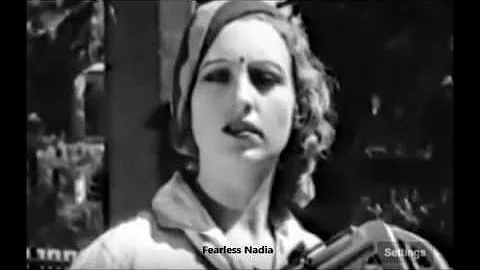
memsaabstory.com/2012/06/22/miss-frontier-mail-1936/ Miss Frontier Mail is utterly charming, made with the usual Wadia enthusiasm and attention to loony detail. The “Indian Pearl White” is certainly the focus, but she is more than ably supported by gangsters who balk at being dastardly, a fearsome spy-movie “Boss” precursor and his go-getter female assistant, futuristic gadgets, thrilling fights and chases, a banana-loving buffoon and so much more. It often feels very much like a silent movie, starting off with only music and no dialogue until seven or eight minutes in; title pages are interspersed throughout, the acting is exaggerated, and you can often hear the camera whirring. Like the Frontier Mail train itself, it picks up speed quickly and we’re off on a rollicking good ride as Fearless Nadia battles comic-book villains between dainty sips of tea in her fabulous Art Deco house. It is a literal and figurative rush of trains, motorcars, motorcycles and even an airplane!
We begin in the darkness of the Lalwadi train station as a gang of shadowy figures empty the warehouse of its goods to be transported. Led by a creepy man in what looks like a gas mask but later reveals itself to be a large microphone, they are nearly caught by the deputy station master, Ishwarlal; hapless Ishwarlal sees the gang leader’s face in the ensuing scuffle and is killed. Unbeknownst to the bad guy, one of his henchmen also sees his face and is astonished when he recognizes him.
When station master Maganlal (Master Mohammed, who also wrote the music for the film) finds his dying colleague—and despite me shouting “For the love of God don’t pick up the knife!”—he picks up the bloody knife next to the body and is instantly arrested for murder by the railway police as they conveniently burst in. How many times have filmi police ruined someone’s life on such flimsy evidence since then? Hundreds. Maybe thousands. Maybe TENS of thousands. Never, ever, ever, touch the murder weapon or get the victim’s blood on you if you are in a Hindi movie. It spells doom.

Maganlal has a tall, strong, blonde daughter who loves to hunt named Savita (Nadia) and a son Jayant (Jaydev, the “Indian Frankie Darro“) who is an aspiring filmmaker always accompanied by his goofy banana-obsessed sidekick Lagoo (Manchi Thoothi). They receive a telegram from their uncle Shyamlal (Sayani Atish) giving them the news that their father is in custody. But as they exclaim in disbelief, someone throws another letter at them from the bushes.

It’s the henchman who had recognized his leader the evening before, and he wants to meet Savita that afternoon. First she needs to see her father, now at the railroad’s HQ in Bombay. This involves a frantically comedic bicycle ride (she takes the hapless telegram guy’s bike, and then takes out a few hundred vegetable vendors) and a last minute leap onto the Frontier Mail train. She arrives just as the head of the railroad (Jal Khambata) hands over Maganlal to the authorities behind his locked office door. Maganlal’s brother Shyamlal is there with him—and he is none other than the gang leader himself!
Savita fights through a whole lot of office peons with glee and not a little panache and gains entry.

Savita is called Frontier Mail because she is fast: she rides fast, she drives fast, her switch is basically always on. She tells everyone present—including Shyamlal—that there is a witness who can exculpate her father and the railway head’s son Sunder (Sardar Mansoor) reads the note aloud, triggering Maganlal’s memory. Uh-oh.

Jagannath is of course the henchman who saw Shyamlal’s face, and I don’t hold out much hope for his making it through the afternoon. Shyamlal pretends to be happy at this turn of events, and offers Savita his car to go to the meeting spot. He is thwarted by Sunder, who is clearly smitten with Savita and also offers her his car. She happily accepts but insists on going alone. She speeds off in his car, leaving Sunder and his admiring gaze in her dust.

He decides to follow her and takes his father’s car (“Kids today are so spoiled!”). Shyamlal excuses himself and drives off in a hurry—no wondering why!
Shyamlal’s gang spend most of their time singing, gambling, and drinking, and seem disinclined towards villainy. They are really more like Keystone Cops than gangsters! They are prodded into action only by the lovely Gulab (Gulshan) when Shyamlal contacts them about Jagannath (who is now on his way to meet Savita). I am already so thrilled by the radio, the ginormous microphone, and the lazy gangsters that when Shyamlal calls himself Signal X it almost kills me off.

It must be said that the two women in this film are really the highlights for me: smart, strong, stylish, and completely kick-ass.
Gulab organizes the expedition and dons a Zorro-like face mask. This makes me laugh, because nobody else is wearing one and she looks very suspect indeed. They set up a fake road block and Budhu (Minoo the Mystic)—the CSP guy in the gang—flags Savita to a stop. She looks at the rest of the gang hanging out by their car nearby, Gulab front and center in her mask, and comes to the same conclusion that I have. The two women are dressed almost identically too, in jodhpurs, riding boots, blouses with frilly puffed sleeves, and bindis on their foreheads. Savita’s beret makes up for her sad lack of a mask. Stylish!

She drives through the blockade at top speed and they race after her. Bringing up the rear is Shyamlal in his black hardtop and Sunder far behind; there is a lot of dust! Savita meets Jagannath at the meeting place but he drags out the conversation so that Signal X gets there and shoots him before he spills the beans, although by that point he could have recited the whole Yellow Pages if he’d wanted to. Shyamlal escapes while his gang engage Savita in gunfire and then fisticuffs, until she gains reinforcements in the person of Sunder (who finally gets there) and then Jayant and Lagoo. The gang defeated, Savita and company run back to Jagannath, who is hilariously still breathing but nonetheless still fails to give her the name she needs.

Nice work milking that situation for all it’s worth, Homi Wadia!
At this point I am wondering what has happened to John Cawas (billed in the credits as the “Indian Eddie Polo“), who has only been seen fleetingly in a photograph carried by Jagannath. Sunder (credited as “Hind Kesri” probably referring to his eponymous role in the 1935 Wadia film of that name) is clearly Savita’s love interest here, and though I have nothing against him he looks like a little boy next to her. And he is no John Cawas! Still and all, romance isn’t really the focus so it’s a minor quibble. He accompanies Savita home and on the way they run into Shyamlal, who pretends to be upset that Jagannath failed to provide the murderer’s identity.

Sunder decides that he’ll ask his father for a transfer to Lalwadi station in order to stay close to Savita and some half-hearted romancing ensues. Bless Nadia, she seems as uncomfortable doing romantic scenes as Dara Singh always does.
Back in the gang’s hideout, Gulab is disgusted with her inept cohorts. The robberies which Shyamlal has been coordinating are part of a plot that he has hatched with the owner of an airline company who wants to run the railroads out of business. Mr. Jain is not happy with Shyamlal’s progress and is about to up the ante.

On Signal X’s orders, Gulab sends the gang out to dynamite a bridge just before the train gets to it. Jayant and Lagoo happen to be filming at that bridge, and they quickly realize what’s going on. They shoot a short movie of gang members setting the dynamite and then run to the station house to warn Sunder. Meanwhile, Savita has just left Sunder; at the station she sees the gang members tasked with taking out the train engineer getting on the train. She runs to catch it and a thrilling fight sequence atop the fast-moving train follows. Nadia really was fearless!

She and Sunder manage to stop the train right at the edge of the now-destroyed bridge. Shyamlal is not pleased at all although of course he hides his frustration. Then Jayant informs everyone that he and Lagoo have film of the bandits setting the dynamite. Uh-oh again! I love Shyamlal’s facial expression whenever he is thwarted.
Gulab, back in the hideout, has picked up the photo of John Cawas that Jagannath used to carry—and I perk right up!

Gulab until now is the only person who knows the real identity of “Signal X”. She is in a relationship with Shyamlal, but not unreasonably suspects that he’ll double-cross her; when she meets Jagannath’s morally upright son Kishore (John Cawas) she falls for him and I don’t blame her.
Will Shyamlal get the incriminating film before anyone sees it? Does it even matter since Savita and Sunder, not to mention Jayant and Lagoo, have seen (and punched) the gang members in person quite a few times by now (nit-picking, I know)? If he keeps trying, will he finally get the spectacular train crash he wants? Will the gang be left to sing and drink their days away like they want? Will Gulab betray Shyamlal and team up with Kishore? Will Maganlal ever get out of jail?
Here are a few more things I really love about the film. Gulab and Savita look just as good in saris as they did in jodhpurs, and a sari doesn’t stop Savita from launching herself into a fight!

Savita’s gym! What a woman. Sunder is enthralled too. I adore the posters of strong men on the wall.

Signal X’s radio. We see it rolling in and out of the wall on a pulley system about a hundred times during the course of the film, and it doesn’t get old—especially because Signal X laughs his evil laugh every time. Bwahahahahaaaa!

Signal X’s gadgets, including his disguise and a rifle that shoots sleeping gas.

John Cawas! He must have been a busy guy in 1936 because he only features in the last half hour or so. But he’s worth the wait, and I really like the bond that forms between bad girl Gulab and him. I’ve got to admit that I root as much for Gulab as I do for Nadia, with her silly bandit mask and chain-smoking.

The general ishtyle of the film: from the Dorothy Hamill wedge cuts on the boys, to the bungalows and interior design, to the already-talked-about outfits for the ladies, it’s stunning.

I’ve probably seen as many Fearless Nadia films as anyone—which isn’t many, they being so hard to come by and all—but I had almost lost hope of ever seeing one of the early ones. My grateful thanks to a reader (who wishes to remain anonymous) for supplying me with this, and to Raja and Ava for subtitling it (and one difficult song with horse-racing slang subtitled by Sudhirji) and Tom for putting it together. We can’t release it as part of our Edu Productions project because my friend Roy Wadia (grandson of JBH and great-nephew of Homi and Nadia) owns the copyrights for it, but hopefully this post will make you feel like you’ve seen it (and maybe you can pester Roy in the comments to let us share). He is trying hard to get his family’s movies restored and properly subtitled, but it’s an expensive process and slow and he wants to do it right (ie no Shameroo or Fiends, and I don’t blame him for that!).













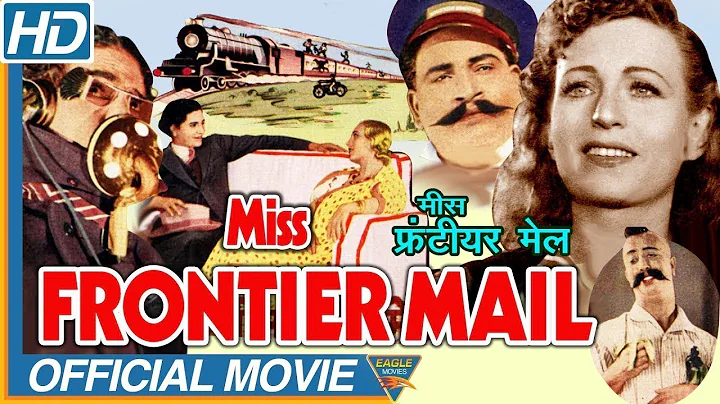


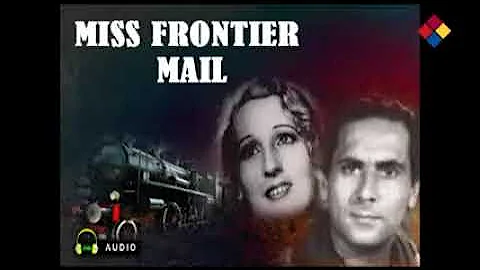





Miss Frontier Mail, 1936, Adventurous stunt Hindi film
Miss Frontier Mail released in 1936 is an adventurous stunt film starring the legendary stunt actress 'Fearless Nadia'. For more ...- HD
Gao Gao Aei Mere1936(Miss Frontier Mail.)
Master Muhammad in film Miss Frontier Mail 1936,Music By Master Muhammad.............Enjoy.Rahe-E-Maikhana Bata1936(Miss Frontier Mail)
Master Muhammad in film Miss Frontier Mail 1936,Music By Master Muhammad.............Enjoy.Favorite Main Ghoda1936(Miss Frontier Mail.)
Master Muhammad in film Miss Frontier Mail 1936,Music By Master Muhammad.............Enjoy.Miss Frontier Mail - Favorite Main Ghoda Khela
Favorite Main Ghoda Khela Performer: Minoo The Mystic Singer: Minoo The Mystic Music: Master Mohammad Lyrics: ??? Film: ...- CC
Karega Harek Qadrajani1936(Miss Frontier Mail.)
Master Muhammad in film Miss Frontier Mail 1936,Music By Master


The
Wadias of India: Then and Now
|
|||||||||||||||||||||
Series:
Prominent Zarathushtis
Source:
Author:
Jungalwala, Khorshed
Subtopics:
Lovji.. Nusserwanji.. Nowroji.. Cusrow.. Motlibai.. Jerbai.. Lady Hirabai.. The Yankee.. Source Materials
Reference:
Related Articles:
Related Links:
|
The
Parsis in India have had the tremendous good fortune of practicing their
religion and customs generally without ostracism and persecution. This
freedom has given them an opportunity to establish themselves in a country
that not only refrained from proselytizing but also showed considerable
tolerance towards all religions. Having been given this opportunity, they
also had the encouragement of the British colonial rulers of India to
develop their entrepreneurship skills and political savvy. The elevation in
stature of the Parsis was undoubtedly one of the main causative factors in
the small community’s escalating fortunes.
The
recorded history of the Parsis of the 18th, 19th and 20th centuries has
shown them to have the inspiration to venture into uncharted waters with
boldness, garnering their energies to establish a better life and
advancement for their families, their community, and the countries of their
origin and adoption – Iran and India. Their unique character could be
attributed to three essential factors – their Irani-Zarathushti heritage,
their Hindu-Indian socio-cultural adaptations, and their eager acceptance of
Western (specifically) British educational and temporal values. The
Industrial Revolution was the backdrop against which the Parsis of the 18th,
and 19th centuries proved their prowess in education and entrepreneurship,
and continued the trend into the 20th century.
The ships they sailed on to
reach India presented to the Parsis the bounties of the seas. At the height
of the power under Achaemenian King Darius the Great, Zoroastrians mastered
shipbuilding and learned much from the seafaring Phoenicians. The ability to
build seafaring vessels eventually opened up the world of international
trade. They founded many industries. By the time India achieved its
independence in 1947, a mere 100,000 Parsis, in the subcontinent’s
population of over half a billion people dominated major industries like the
steel industry, the aviation industry, the textile industry, the movie
industry, and the fields of medicine, science and law.
The
Wadias, the Tatas, the Jeejeebhoys, and the Godrejs are among several
families that have contributed in no small measure towards the industrial
and economic advancement of their community and their country. One such
family has for the last 250 years taken on the challenge of industrial
entrepreneurship with great success and provided tremendous resources
for their country’s well-being – that family is the Wadias.
Lovji
Nusserwanjee Wadia (Unknown – 1774)
|


 |
|
Nussarwanji Maneckji Wadia, oil on canvas, by a Chinese artist in
Bombay, ca, 1803, Peabody Collection in Essex Museum, Massachusetts,
USA.
|
A
branch of the Wadias stayed on in Surat and continued to develop the
shipping industry and became leaders in the building and construction of
bridges, dams and buildings. Between 1840s and 1940s the shipping and
building industry in Surat was dominated by Cowasji,
Burjorji, Behramji, Rustomji, Hormuzji, Nusserwanji and Pestonji Wadia.
Pestonji’s sons Framroze, Firozeshah, and Dhanjishah continued in the
building and construction business. Their charities include
nursing homes, building free institutions of education and hospitals.
While
the British ruled India, the French had a couple of small holdings, one on
the east coast and the other on the west. In 1929 Khan Saheb Pestonji Wadia
bought the west coast region overlooking the Tapti
Sea from the
French. This included a huge mansion which the family used. Several years
later this mansion was donated by the Wadia family for education of women.
The Zal F. Wadia College in Surat, was established in memory of young
Zal, who passed away at the age of 27. In 1935, Dhanjishah built the first
cement concrete road to be built in India, the Prince of Wales Drive
in Poona in honor of the visit of Prince Edward VIII of England. (The author
is Dhanjishah’s daughter).
Seven
generations of Wadia master-shipbuilders have constructed ships in Bombay
that have plied the seven seas from the shores of the New World to the
ancient shores of the China
Seas. Many
ships were built for the Indian and British Navy. When their connection with
the Bombay Dockyard ended in 1913, the Lovji Wadia family had left a legacy
of ships, from sloops to schooners, merchant ships and man-o-wars,
cutters and clippers, frigates, water boats and steamships – over 400 ships!
 |
|
Photograph of young Wadia cousins - Jehangir Naoroji and Hirjeebhoy
Meherwanji with Uncle Dorabji Mancherji on the left, ca. 1838.
|
According to a publication in 1955 of The Bombay Dockyard and the Wadia
Master, the ship HMS Trincomalee was built by a nephew of Lovji -
Jamshedji Bamanji Wadia and launched on October 12, 1817, for the
British Navy. Later the ship was named Foudroyant (1897). It served
the British well during the Crimean War (1852-1857) and World War II
(1939-1945) and now rests in Britain, soon to be converted into a museum.
Jamshedji, Nowroji,
and Dhanjibhai Wadia have been the outstanding shipbuilders of the
19th century British India, building 22 ships for the British Navy alone.
Like
the HMS Tricomalee, the HMS Cornwallis, launched on May 2,
1813, saw active battle in the British-American War of 1812 and twenty years
later as Flagship of the British Fleet in the China
Seas, she led
an expeditionary force during the “Opium War” of China. The historic signing
of the Treaty of Nanking, ceding Hong Kong to the British took place on
HMS Cornwallis August 29, 1842.
Several
other warships like the HMS Asia saw action in various parts of the
world.
 |
|
Wadia Family, Bombay, ca.
1870s. Cursetji Naoroji Wadia (seated center), grandson of Jamsetji
Bomanji Wadia, third Master Shipbuilder.
|
Nusserwanji Maneckji
Wadia (1753 – 1814)
Grandson of the great shipbuilder Lovji Wadia opened up trade through shipping with foreign countries.
Grandson of the great shipbuilder Lovji Wadia opened up trade through shipping with foreign countries.
Other
descendants of Lovji - Jehangir, Nowroji , Dossabhoy,
Dhunjibhoy and Cursetji further developed worldwide
trade with Europe
and America.
[Refer
to The Yankee Connection below]
In 1834
Ardeshir Cursetji Wadia was the first to introduce gas to Bombay.
He became the first Indian Fellow of the Royal Society of London in 1841.
[Refer
to The Yankee Connection below]
 |
|
Dhanjishah Pestonji Wadia,
ca 1928. (1905 - 1981)
|
Nowroji
Nusserwanji Wadia
(August 30, 1849 – December 19, 1899)
Educated in England, he soon proved his engineering
skills by establishing the well-known Bombay Dying & Manufacturing Co.
for manufacture of textiles in 1879. Several mills were opened under his
banner – such as the National, the Neriad, the Dhun, the E. D. Sassoon, the
Presidency, Calicut, Century, to name just a few. His efforts for the
underprivileged are legendary. He went beyond helping the Parsis
exclusively. As a member and chair of various government and educational
bodies, he introduced programs for better schooling; introduced the
kindergarten system of education; advocated physical training for boys and
girls; better administration of hospitals etc. His munificence made many
socio-economic programs possible. In 1889 he was awarded the honor,
“Champion of the Indian Empire” (CIE) by the British government. There was
not a charitable institution in Bombay to which Nowroji was not connected.
 |
|
Sir Ness Wadia (seated on
left): First Indian to receive Knighthood of the British Empire,
ca.1919.
|
Cusrow and
Ness Wadia
Naoroji’s sons Cusrow and
Ness expanded the textile business to
become the largest textile operations in India, and were known as much for
their philanthropy as for their business acumen. In the 1920s, Ness
established a wireless service, forerunner of the telephone, the India Radio
and Communication Company, linking
India and Britain for the
first time. He was the first Indian to be awarded the Knighthood of the
British Empire in 1919.
The
Wadia women played no small role in utilizing their skills in business
to leave a legacy of philanthropy that still stands as a gigantic monument
to their endeavors.
Motlibai
Maneckji Wadia
(October 30, 1811 – May 24, 1897)
Born a Wadia, she married her cousin Maneckji, but was soon widowed at the
age of 26. She devoted herself to take up the reigns of the family estate.
Her inherent business acumen and sterling good sense increased the family
wealth and charities. She gave large sums for maintenance of Daremehers and
built one in Bombay in memory of her father Jehangirji. I 1894, she rebuilt
the Udvada Atash Behram and set aside sums for the future upkeep. She
established dispensaries and in particular, the Bai
Motlibai Obstetric
Hospital. Land and money was given to orphanages and donations flowed freely
for emergency relief of citizens due to fire, famine and flood disasters.
One of Motlibai’s dreams was to personally gift a fine collection of old
coins to Queen Victoria, but she was unable to fulfill it during her
lifetime. After her death, her son Naoroji did so on her behalf.
 |
|
Two young daughters of
Rustomji Wadia of Surat, Tehmina & Banoo, ca. 1919.
|
Jerbai Nusserwanji
Wadia
(1852 – March 8, 1956)
She was a pioneer of low-cost housing complexes (Baugs)
that are an intrinsic part of Zarathushti life today. The Lal Baug and
Nowroz Baug were built through her initiative and donations. In 1917 Jerbai
established the Naoroji N. Wadia Building Trust Fund which helped in
building the Rustom Baug and Jer Baug. Her sons Cusrow and Ness
continued her mission and built Cusrow Buag and Ness Baug. She donated
generously to help build several clinics and hospitals. After her death her
sons built the Bai Jerbai Wadia
Hospital for Children in her
memory.
Lady Hirabai Cowasji Jehangir
(August 22, 1893 – June 9, 1976)
Born into the Wadia family, and
married into the affluent Readymoney family, she did not while away her time
in leisurely pursuits, but chose to do something for the betterment of the
Zarathoshties and non-Zarathoshties. She established nursery schools, the
Wadia-Vatcha
School and the Sir Cowasji Jehangir School
in Bombay. She set up the Sir Cowasji Jehangir Rural Home for boys and
another one for girls and opened the Cowasji Jehangir Nursing Home in Poona.
She promoted the arts and sciences and put her heart into setting up the Sir
Cowasji Jehangir Institute for Science and the famous Jehangir Art
Gallery, leaving behind an enduring legacy for the people of Bombay.
The B.
F. Wadia & Sons Company started in the early 1920s by the Surat branch of
Wadias and moved to Bombay, is one of the leading timber companies in India
today.
K.
Wadia Jewelers have established a solid reputation as leading
Zarathushti jewelers for more than 70 years.
Neville
and Nusli Wadia have done an admirable job of continuing their
family’s tradition of building industries, promoting causes and
setting up charitable trusts.
Many
generations of Wadias have considered it their duty to extend a hand to
their fellow human beings and consider it an honor to share their good
fortune. The Wadiaji Atash Behram and Wadiaji Agiari are the result of their
generosity. The Ness
Wadia College and the College of Technology
in Pune, Wadia Institute of Himalayan Geology, Neville Wadia Institute of
Management Studies and Research (1991) are just some of the many
institutions of research and learning.
The
N.M. Wadia Charitable Trust (1909), caters to Zarathushties and non-Zarathushties
alike. Some of the donations have gone towards relief of Indians in South
Africa, earthquake victims in Burma, famine victims in Oxford, flood relief
in Sri Lanka, Japan, Iran and Holland.
Dr.
Noshir H. Wadia,
of Bombay
has been
considered the leading neurologist of India and acclaimed by his peers
as one of the top neurologists in the world today.
The
love of arts, music and drama prompted the J.B.H. Wadia and his
brothers to found the first movie studio in
India
– Wadia Movietone, bringing in artists, actors and actresses from abroad and
also encouraging national and local performers.
The Yankee
Connection and a Brush with American History
At the end of the 18th Century many American ships
from Boston and Salem began visiting Bombay to trade. There, Nusserwanji
Maneckji Wadia (1753-1814), grandson of the great shipbuilder Lovji Wadia,
founded a family business specializing in the markets of these newcomers to
Bombay.
[Record of these first encounters between Yankee traders and their Parsi
business associates have been preserved in a collection of the Peabody
Essex Museum,
Salem,
Massachusetts, the most extensive repository of sources on Indo-US trade in
this country].
In 1799
George Nichols, a merchant form Salem, Massachusetts, went to India as
business manager of the cargo ship Active which was to carry back a
shipload of cotton from India. In his autobiography Nichols wrote:
“The
business was carried on by Parsis, some of the most intelligent people I
have ever known, rich and very honorable in their dealings. The merchant
with whom I did business, Nasservanji Maneckji was a very fine man.”
Nusservanji gave Nichols a beautiful striped exquisite muslin piece for the
latter’s bride which he brought back to Salem to fashion into a wedding
dress for her. He also gifted the bride and groom with beautiful Kashmiri
silk wool shawls. (Mrs. Nichols’s wedding dress and both the shawls are now
part of the Peabody Essex Museum).
In 1803
Nusserwanji became one of the first foreigners to make a donation to the
collection of the East India Maritime Society Museum (now the Peabody
Essex Museum). That same year Captain R. Dalling gave a portrait of
Nusserwanji painted in Bombay by a Chinese artist. This portrait is on view
in the Central Hall of the Museum where it has been continuously for almost
200 years!
In
about 1815 Nusserwanji’s sons followed their father into the American trade
and began opening business ventures with France and other European
countries. Captain William Augustus Rogers who arrived in Bombay with the
trading ship Tartar recorded his impressions in a journal now in the
Peabody Essex Museum. He refers to Nusserwanji as “a man who sustained a
most estimable character.” He wrote about visits to the Lovji Castle, and
the Wadia family estates in Bombay.
In 1839
other grandsons of Lovji took up the family specialty in American trade.
Dossabhoy Wadia with his brothers Dhanjibhoy and Cursetji
under the firm name Dossabhoy Merwanji & Co., developed their foreign
business largely concentrating
on
trade and sales of imported goods. So revered was Dossabhoy’s name beyond
India that President Ullyses Grant honored him with a personal visit at his
company on February15, 1879, while on a tour of India. Dossabhoy was
appointed Vice-Consul for USA in Bombay in 1852.
The
first Parsi to visit USA was Ardeshir Cursetji Wadia, grandson of
Nusserwanji’s brother in 1849. He visited the home of Mr. & Mrs. Howard of
Salem. Their daughter Caroline Howard King, noted in her memoirs, the
pleasant wonder of these encounters:
“Among the strange foreign visitors of those days, we were somewhat startled
one evening by a friend’s bringing a real live Parsee, with a tall calico
headdress, to take tea with us.
It
was rather a revelation to me that a fire worshipper could take tea like
ordinary mortals. But he was a harmless lion, and roared very gently,
and drank his tea and ate his bread and butter quite like other folks and
told us many interesting thing about his life in Bombay.
I
remember we all spoke very distinctly, as if we were talking to a child, and
that he answered us in a very low cultivated refined voice, using much
better English than we did”.
The one
ship that the Wadias built and of most historic significance for Parsis is
the H.M.S. Minden. The Bombay Courier, June 23, 1810 wrote:
“On
Tuesday last His Majesty’s Ship, the “Minden” built in the new docks
(Bombay) by Jamshedji Bomanji Wadia was floated into the stream at high
water, after the usual ceremony of breaking the bottle had been performed by
the Honorable Governor Jonathan Duncan.
In
having produced the “Minden”, Bombay is entitled to the distinguished praise
of providing the first and only British ship of the line built out of the
limits of the Mother Country; and in the opinion of very competent judges,
the “Minden”, for beauty of construction and strength of frame, may stand in
competition with any man-o-war that has come out of the most celebrated
Dockyards of Great Britain. For the skill of its architects, for the
superiority of its timber, and for the excellence of its docks, Bombay may
now claim a distinguished place among naval arsenals”.
A young
American lawyer, Francis Scott Key was sent on board the British ship
“Minden”, in Chesapeake Bay to negotiate the release of a friend who had
been captured after the defeat of the US forces in Maryland. Key was
detained on the ship overnight while the British attacked Baltimore. “At the
dawn’s early light” amidst the “rockets’ red glare”, he saw the American
flag still flying high over Fort McHenry which inspired him to hurriedly
scribble on an envelope a poem, that was to become the
Star Spangled
Banner,
national anthem of United States of America!
There
were members of the Wadia family that took up the challenge of the New World
and settled down in foreign lands outside of India. In the 20th century they
came to USA for further education. The first Wadia on record who came to USA
for education was Burjor Wadia in 1916. He joined the University of
Michigan and later became a top- ranking engineer with Ford Motor Company.
He spent 5 years in USA and another 5 years in England with another
automobile company before returning to India.
Several
others followed, like the late Burjor Ghadiali, whose late mother
Banoo was a Wadia. Burjor arrived in Canada in 1947 and soon rose in ranks
to become the Chief Engineer of Ontario Hydro, in Canada. Maneck Bhujwala
of California, (also from the Wadia family), has done well in serving the
Zoroastrian community here in the West.
 |
Dr. Maneck Wadia
|
Prof. Maneck S. Wadia
of Del Mar, California who has been in USA since the 1950s is an
internationally prominent professor, author, speaker and consultant to over
300 organizations & companies here and abroad. He is also a very successful
entrepreneur with diversified interests and an author whose books on
management are used by over 150 universities worldwide. He has served as
Director of numerous corporations, having been listed in “Who’s Who of
Contemporary Authors, American Men of Science, Marquis’ Who’s Who Dictionary
of International Biography & Who’s Who in the West.
The
legacy of the Wadias, as with other families, should, in the final analysis,
be measured in terms of benefits not just to their own society and country,
but how those benefits relate to the well-being of humanity at large.
[Bombay
is now known as Mumbai and Poona is now known as Pune]


History
Wadia brothers belong to a Parsi family, and their ancestors came from shipbuilding Wadia family (Wadia Group) originally from Surat, which also built British-wartime ship HMS Trincomalee (1817). Their ancestors moved to Bombay in the 18th century.[1] It was co-established 1933, by producer and screenwriter J. B. H. Wadia, his younger brother director Homi Wadia, film distributor Manchersha B. Billimoria, and brothers Burjor and Nadirsha Tata. [2][3]However Tata brothers left the partnership within three years, the company continued production of film, documentaries and newsreels from its studios by Lowjee Castle, Mumbai, Wadia family mansion of his great grandfather Lovji Nusserwanjee Wadia, a noted shipbuilder, who founded the Wadia Group in 1736. The company even had its logo as a ship, honouring their family legacy.[4][1] They company made Hunterwali (1935) starring Fearless Nadia, Boman Shroff and John Cawas, which became a surprise hit and its first big success.[5][6] Thereafter, they made several films based on Arabian Nights.[7]

The American National Anthem and the Wadia Parsi Family | Parsis ...
zoroastrians.net265 × 320Search by image
...
the birth place of The American National Anthem, abroad the HMS Minden
constructed by the foremost Pioneer Parsi of The Wadia Ship Building
Corporation.
 Gallimaufry: THE AMERICAN NATIONAL ANTHEM AND INDIAN ROCKETS AND ...
gallimafry.blogspot.com1200 × 716Search by image


&docid=C74dWLL7pLoBpM&tbnid=TMpFPbLaW9nh9M&vet=12ahUKEwjivcCrhYyLAxVb1zgGHR9FANYQM3oECBsQAA..i&w=455&h=830&hcb=2&ved=2ahUKEwjivcCrhYyLAxVb1zgGHR9FANYQM3oECBsQAA)


{INDIAN
MADE SHIP HMS MINDEN BELONGED TO -- GANGES -CLASS SHIP THE
ROCKETS:-{COPIED FROM INDIAN ROCKETS}} Later at the battle of
Srirangapattana (4th .
www.vandekar.com526 × 400Search by image
A Fine English Sailor's Woolwork Picture of The H.M.S. Cornwallis, Circa 1865
Brief History of Bombay Dockyards and wadia
Bombay
(Mumbai) was given as a dowry gift by the Portuguese to King Charles II
of England, when he married Princess Catherine of Braganza in 1662. In
1668, Bombay was transferred to the East India Company at a nominal rent
of £10 per annum. In 1736, the company brought Lowjee Nusserwanjee, a
master shipwright, from Surat to Bombay and assigned him the task of
constructing ships for the British fleet and also the selection of a
site for a dock. He set a trend in shipbuilding that was to be
perpetuated by the next seven generations of his descendants, known as
Wadias. His excellent craftsmanship combined with the durability of
Malabar teak, brought worldwide fame to Bombay Dockyard. During the 150
years that Wadias were the Master Builders, they built more than 400
ships, all of them from Indian Malabar Teak. Bombay Dockyard became
known for excellence in workmanship and quality. A tribute to the skill
and craftsmanship of the Wadias and workforce of the yard has been HMS
Trincomalee launched in 1817 which is, perhaps, the second oldest “Man
of War” in the world, still afloat in U.K.
Treaty of Nanking and the Opium Wars
Opium
became the tool by which the British traders eventually broke open the
Chinese market. The Chinese had long known the addictive
drug—recreational use among the leisured classes had prompted a ban on
the sale and smoking of opium as early as 1729. In 1773 the English East
India Company (EEIC) established a monopoly over opium cultivation in
India. They marketed the drug in China through Western merchants who
were licensed by but not technically members of the EEIC, which had a
monopoly on trade in China. The importation and cultivation of opium
were outlawed in China in 1796, reflecting the inroads that Indian opium
had made there, but the ban was ineffective.
In
1819 greater domestic competition within India lowered opium prices
dramatically, causing Chinese consumption to shoot up accordingly.
Domestic political developments in Britain led to the breakup of the
EEIC monopoly in 1833, allowing new groups of merchants to enter the
Chinese market. The following year, British exports to China rose to new
heights. The volume of this trade reversed the direction of the flow of
silver, and China paid out 34 million Mexican silver dollars (the
common international currency of the day) to purchase opium in the
1830s. Although the idle rich were the majority of the Chinese addicts,
many poor Chinese became addicted as well, and all suffered from the
economic effects of the loss of silver.
The
breakup of the EEIC monopoly was the immediate cause of the First Opium
War, both because it led to a huge increase in opium traffic and
because, without the EEIC to serve as a buffer, the British government
now found itself obliged to intervene more frequently in China. A vocal
part of the English public clamored for greater access to China’s huge
market, and Britain often sought these goals through bluster and the
threat of force.
China
saw the problem differently and moved to stem the trade imbalance and
the opium craze that plagued its people. In late 1838 the Chinese
appointed a famed official, Lin Zexu, as imperial commissioner and sent
him to Guangzhou to solve the problem. In March 1839 Lin ordered the
British merchants to hand over all of their opium stocks within three
days and to sign a bond pledging never again to traffic in the drug
under penalty of death. When British superintendent of trade Charles
Elliot attempted to negotiate, Lin suspended trade and held all foreign
merchants hostage. Elliot then ordered the merchants to hand over their
opium to him, after which he surrendered it to Lin. Lin washed some 9
million Mexican silver dollars worth of opium into the sea, not
realizing that English patriots would view this as destruction of Crown
property.
While
Lin and the British merchants jousted over the signing of the bonds,
officials in England dispatched an armed force to China. The Chinese had
prepared for war at Guangzhou, but the British force simply blockaded
that city on its way north toward the capital of Beijing, where
officials met with the Chinese. The result of subsequent negotiations
was the Convention of Quanbi in January 1841, in which the bare minimum
of British demands were met. The agreement was subsequently rejected by
both sides: The emperor was enraged that his representative had made
real concessions, while the British felt that Elliot had failed to press
his advantage.
Sir
Henry Pottinger replaced Elliot in August 1841 and immediately directed
his forces to occupy important cities along the coast, including Ningbo
and Tianjin. In the spring of 1842 the English renewed their offensive,
triumphing readily over valiant but underarmed Chinese resistance. By
late June the British occupied Zhenjiang, an important communication
center and entry to the Grand Canal, the artery by which rice from the
southern regions reached the northern capital. The Chinese agreed to
negotiate, and at gunpoint they signed the Treaty of Nanjing (Nanking)
on August 29, 1842. The treaty more than fulfilled England’s original
goals: The cohong was abolished, four more Chinese ports were opened to
trade (Fuzhou, Ningbo, Shanghai, and Xiamen), and the island of Hong Kong was ceded to the British.Maritime Museums at TradBoat


Wadia Movietone - Wikipedia, the free encyclopedia
en.wikipedia.org/wiki/Wadia_Movietone
Jump to History - ... Parsi family, and their ancestors came from shipbuilding Wadia family (Wadia ... The company even had its logo as a ship, honouring their family legacy. ... Thereafter, they made several films based on Arabian Nights
.www.frontline.in424 × 635Search by image... J.B.H. Wadia of Wadia Movietone headed the Films Advisory Board set up by the colonial government
J. B. H. Wadia - Wikipedia, the free encyclopedia
en.wikipedia.org/wiki/J._B._H._Wadia
In a family of entrepreneurs JBH is credited with creation of movies involving populist stunt roles including those by ... 1.1 Movies from Wadia Movietone Studio

Homi Wadia - Wikipedia, the free encyclopedia
en.wikipedia.org/wiki/Homi_Wadia
Not to be confused with Hindi film actor, Homi Wadia. ... 2004) was an Indian film director and producer in Bollywood (Hindi cinema). He was the co-founder of Wadia Movietone productions, established in 1933 and ... Wadia was from an Parsi family, and his ancestors came from shipbuilding .... Read · Edit · View 
- Homi WadiaFilm director
- Homi Wadia was an Indian film director and producer in Bollywood. He was the co-founder of Wadia Movietone productions, established in 1933 and later after the closure of Wadiatone, he founded Basant Pictures in 1942. Wikipedia
- Spouse: Fearless Nadia (m. 1961–1996)


Operating
HAND CRANKED Camera
Shooting on the bridge.
.for%20%20Operating%20HAND%20CRANKED%20projector&imgurl=https%3A%2F%2Fi.pinimg.com%2F736x%2F8e%2F43%2F9b%2F8e439bf41da4da5c7f1faa8aa5990b16.jpg&imgrefurl=https%3A%2F%2Fwww.pinterest.com%2Fpin%2F207236020326995251%2F&docid=vPWZ1qf29gN11M&tbnid=Ooi3p_hnf74L9M&vet=12ahUKEwiauM2MhIyLAxV6wjgGHQt9NoAQM3oECGYQAA..i&w=736&h=798&hcb=2&ved=2ahUKEwiauM2MhIyLAxV6wjgGHQt9NoAQM3oECGYQAA)

Letter
Head of
Vivekanand
Pictures andharshad &jagtap
indian film actress 1930's
indian film actress 1930's

Sulochana[RUBY MYERS] and Jamshedji in Madhuri (1932)

Schoolboy Vasant.. during the training in England. (1925/26).for Operating HAND CRANKED
Camera
 FEARLESS 65MM SUPERFILM CAMERA
www.widescreenmuseum.com239 × 300Search by image
 Ayodhyecha Raja (1932) | MemsaabStory
Dinshaw
Billimoria (born 1904)
D. Billimoria as he was referred to was introduced in action films - both historical and mythological. One of the stars at Imperial Studios, he and Sulochana were the star leads, with many extremely successful films to their credit, notably Wild Cat of Bombay and Anarkali.
In 1942, he acted in and directed Jawani Ki Pukar
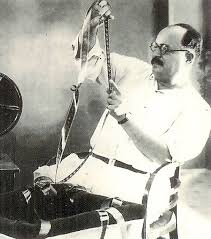 Ardeshir Marwan Irani (1886-1969) film (Alam Ara) ('1931)


Sabita Devi-She was also an anglo indian girl,she joined films in last of 20s.Her pair with Moti lal was very succesful.Silver King,Ladies Only,Amarpali,Kokila were some of her Major films.

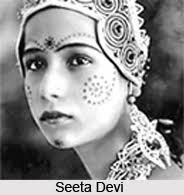
Seeta Devi-Born in 1905,Her real name was Renee Smith,she was stage actress.She made debut with Light of Asia with Dhiren Ganguly,Later she did 18-20 films with that Banner.She too faced language probblem.Light of Asia,Prem Sanyas,Shiraz etc were some of her Major films.She died in 1982.
Zubeida with master vithal
Zubeida-Born in 1913,She was belonged from Muslim Rich family,Her mother Fatima was also an actress.Her sisters were also actresses.She mostly played courtesan s roles of Muslim Society.Veer Abhimanyo,Heer Ranjha,Bulbal e Paristan,Alam Ara were some of her Major films.She retired from films in mid of 30s,later she again started playing xtra kinda very small roles in some films.She died in 1990.
Zubeida
Zubeida(left)

She started working in films,when her teenage doughters were .....Fatima Begum-Born in 1900,she was married toNawab Sachin, She launched a Film Banner as Victoria Fatma Films.She was first female Director of Indian Cinema.She directed her doughters and herself in films.Veer Abhimanyo,Gul e Bakawali,Kala Naag were some of her Major Films.She died in mid of 70s.
 sachin3
 Zubeida - Fact File/Profile - Cineplot.com
Below-actress durga khote
 Bollywood Booklets Old filmi Magzine And lobby cards shop: January 2014

mayur pankh -1953---kishore shahu--sumitra devi and odette ferguson
 Sultana (actress) - Wikipedia, the free encyclopedia
 Master Vithal
 Indian Film History - PhalkeFactory
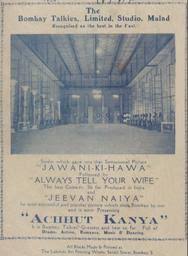
 Life | Lethally Blonde
 Narrating actuality | Frontline
Left, shown with a hand crank, which must have been unusual in 1930.
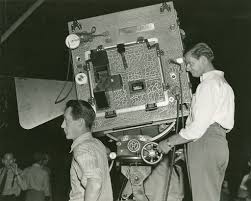
Shooting below the bridge.1930's

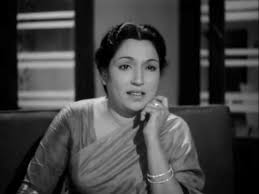


lalita pawar

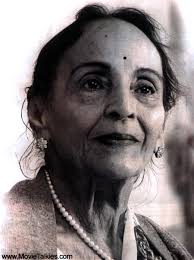


Shobhana Samarth
(mother of
 Tanuja

Karan Dewan – Filmography
They speak from eyes
In 20s male actors were on declain,and british and anglo indian girls joined films,they changed their names.Cinema was silent so there was no language.Name of films were in English and Hindi too for eg.Cinema Queen is Cinema ki Rani,Divorce is Talaq etc.

Patience Cooper-Born in 1905,She was first female star of Indian Cinema,she was a British girl.She mostly did romantic films.She faced probblems when talkies were being made.So she did not get work,coz she was not knowing language.Nal Damyanti,Patni Pratap,Noorjehan,Pati Bhakti,Kashmiri Sundari were some of Major Films.She died in 1983.
 Yakub – Filmography
cineplot.om
 Usha Kiron
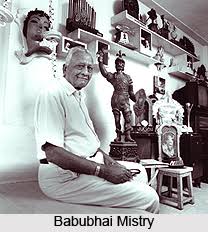 Babubhai Mistry, Indian Movie Director
 Bollywood Throwback: Glorious Gohar of the silent era | PINKVILLA


Gohar Mamajiwala : Bollywood Actress Movies, Biography

Miss Gohar, Nutan and Shyama at the wedding reception of Chandulal ...
Gohar-Born in 1910,she started her career in 1926,she acted for Director Chan
dulal Shah s Production.Both got married.Her family films were doing well.But Chandulal was habbit of gambling,he spent ,_[img]couple of money on Horse Races and he became bankrupt.Films were flopping and he died after sometime.Later Gohar did some other films,but she too fade away.Telephone Girl,Gunhasundari,Miss 1933,Keemti Aansoo,Achoot were some of her Major Films.She died in 1985.
Sulochana (1907-83)
Sulochana-Born in 1907 in Pune,This christian girl was telephone operater before joining films,Her original name was Ruby Mayors.She did a long smooch scene in a film,comparison to today s films it was said to be much long.Soon She got stardom and she was one of highest paid star of that era about 5000 for a film.Later she played mother s role in some films including Anarkali,Jagte Raho,Nagin etc.In a film Wild Cat of Bombay she played eight characters.She was part of all 3 Anarkali films.In two of film she played title role and in other one she played the role of mother.Pujarin,Typist Girl,Heer Ranjha,Wild Cat of Bombay etc were some of her Major Films.She died in 1983.

Sulochana(left) and Dinshaw Billimoria in Anarkali, 1928
 Working still from Imperial Film Company's 1930 silent film Cinema Girl
Camera
with BLIMP
Make
not knownSound blimp - Wikipedia, the free encyclopedia
en.wikipedia.org/wiki/Sound_blimp
A sound blimp is a housing attached to a camera which reduces the sound caused by the shutter click, particularly SLRs. It is primarily used in film still ...Camera Blimps | Blimps - Aerial Photography Equipment
www.aerialproducts.com/blimps/camera-blimps.html
Camera blimps are designed to lift your camera equipment and smaller payloadsShooting below the bridge.1930's
One
of his trick-photography's
'cut
out'.

camera -Make
- Mitchell

1:56:16
Muhurt
(launching)
Wadia's first talkie
LALE
YEMAN - 1933
Lal -e-Yaman 1933, Adventurous fantasy movie, Hindi ...

www.yo
utube.com/watch?v=ciUCSWjJwO0
May 22, 2012 - Uploaded by indiavideodotorg
Lal-e-Yaman released in 1933 was one of the best adventurous fantasy movies produced by Wadiafilm (Laal e Yaman)(1933) | Indian films and posters from 1blogspot.com/2013/11/film-laal-e-yaman1933.html
Nov 17, 2013 - film (Laal e Yaman)(1933). Oriental fantasy derived from classic Parsee theatre. The heir to the Yemeni throne, Prince Parviz, is falsely ...
Lal-e-Yaman (1933) - IMDb
www.imdb.com/title/tt0262557/
Directed
by J.B.H. Wadia. With Jal Khambatta, Karimja, Padma, Feroze Dastur.
Oriental fantasy derived from classic Parsee theatre. The heir to the Yemeni ...lalita pawar
Shobhana Samarth
(mother of
- Prem AdibActor
- Born: August 10, 1917, Sultanpur, Uttar Pradesh
- Spouse: Krishna Kumari (m. 1943–1959)
Prem Adib - IMDb
www.imdb.com/name/nm0011979/
Prem Adib, Actor:
Station Master. Prem Adib was born on August 10, 1917 in Sultanpur,
Uttar Pradesh, India. He was an actor, known for Station Master (1942)Prem Adib – Profile - Cineplot.com
cineplot.com/prem-adib-profile/
Jul 18, 2011 - Even though many actors like Shahu Modak, Mahipal, Trilok Kapoor, Abhi ... Real name Premnaaraayan, Prem Adib was born on 10th August
3:28
They speak from eyes


In 20s male actors were on declain,and british and anglo indian girls joined films,they changed their names.Cinema was silent so there was no language.Name of films were in English and Hindi too for eg.Cinema Queen is Cinema ki Rani,Divorce is Talaq etc.
Patience Cooper-Born in 1905,She was first female star of Indian Cinema,she was a British girl.She mostly did romantic films.She faced probblems when talkies were being made.So she did not get work,coz she was not knowing language.Nal Damyanti,Patni Pratap,Noorjehan,Pati Bhakti,Kashmiri Sundari were some of Major Films.She died in 1983.
- Patience Cooper
 Film actress
 - Patience Cooper was an Indian and later Pakistani film actress. An Anglo-Indian from Calcutta, Cooper had a successful career in both silent and sound films. She was one of the early superstars of Bollywood. Wikipedia
- Children: Syeda Nafees Rizvi, Haleema Cooper, Zeenat Cooper
Patience Cooper | Upperstall.com
upperstall.com/profile/luminary/patience-cooper/Patience Cooper, who played the lead in various Madan Theatres pictures – Nala ... Said to be born around 1905, she started as a dancer in Bandmann's ...Patience Cooper - Wikipedia, the free encyclopedia
en.wikipedia.org/wiki/Patience_CooperPatience Cooper. From Wikipedia, the free ... Born, 1905. Calcutta, British India ... Patience Cooper (1905–1993) was an Indian and later Pakistani film actress.


cineplot.comPrithviraj Kapoor in Milaap (1936)with Ram pyari
Ermiline-Born
in 1909,She was a British Girl.She made her debut in last of 20s
oppocite Prithvi Raj Kapoor,She was successful as an actress.But her
stardom was for little time.Talkies movies were started and now language
was a probblem and she did not get any film and her career came to an
End.Cinema Girl(Cinema Ki Rani),Childern of the Storm etc were her Major
Films.- Prithviraj KapoorTheatre actor
- Prithviraj Kapoor was a pioneer of Indian theatre and of the Hindi film industry, who started his career as an actor, in the silent era of Hindi cinema, associated with IPTA as one of its founding ... Wikipedia
- Born: November 3, 1906, Faisalabad, Pakistan
- Spouse: Ramsarni Mehra Kapoor (m. 1923–1972)
with%20Ram%20py&imgurl=https%3A%2F%2Fupload.wikimedia.org%2Fwikipedia%2Fen%2Fthumb%2F8%2F86%2FMilap_%25281937%2529.jpg%2F220px-Milap_%25281937%2529.jpg&imgrefurl=https%3A%2F%2Fen.wikipedia.org%2Fwiki%2FMilap_(1937_film)&docid=fDXM_p-vrZ6D-M&tbnid=w5yeqYnZ3joL1M&vet=12ahUKEwi74ciZgoyLAxUsTmwGHcYfDh0QM3oECBMQAA..i&w=220&h=205&hcb=2&ved=2ahUKEwi74ciZgoyLAxUsTmwGHcYfDh0QM3oECBMQAA)
cineplot.om
cineplot.com-(cute)
Bollywood Throwback: Glorious Gohar of the silent era | PINKVILLA
www.pinkvilla.com600 × 916Search by image
Gohar
Mamajiwala was born in the year 1910 to a rich Bohri family of Bombay.
However, as the lovely Gohar was reaching her teens, the family was
struck with ...


Gohar Mamajiwala : Bollywood Actress Movies, Biography
Miss Gohar, Nutan and Shyama at the wedding reception of Chandulal ...
Gohar-Born in 1910,she started her career in 1926,she acted for Director Chan
dulal Shah s Production.Both got married.Her family films were doing well.But Chandulal was habbit of gambling,he spent ,_[img]couple of money on Horse Races and he became bankrupt.Films were flopping and he died after sometime.Later Gohar did some other films,but she too fade away.Telephone Girl,Gunhasundari,Miss 1933,Keemti Aansoo,Achoot were some of her Major Films.She died in 1985.
&imgurl=https%3A%2F%2Fwww.associationforjewishstudies.org%2Fimages%2Fdefault-source%2Fpublications%2Fperspectives%2Fbody%2Fykg1-(1).jpg%3Fsfvrsn%3Dae7c9606_0&imgrefurl=https%3A%2F%2Fwww.associationforjewishstudies.org%2Fpublications-research%2Fajs-perspectives%2Fthe-body-issue%2Fbreaking-taboos-jewish-women-performing-the-vamp-on-the-indian-screen&docid=rBgPX2S4SZKPbM&tbnid=q11utZ63GV9DAM&vet=12ahUKEwiwrcjhgYyLAxUGwTgGHf0xK70QM3oECBUQAA..i&w=746&h=800&hcb=2&ved=2ahUKEwiwrcjhgYyLAxUGwTgGHf0xK70QM3oECBUQAA)

Sulochana (1907-83)
Sulochana-Born in 1907 in Pune,This christian girl was telephone operater before joining films,Her original name was Ruby Mayors.She did a long smooch scene in a film,comparison to today s films it was said to be much long.Soon She got stardom and she was one of highest paid star of that era about 5000 for a film.Later she played mother s role in some films including Anarkali,Jagte Raho,Nagin etc.In a film Wild Cat of Bombay she played eight characters.She was part of all 3 Anarkali films.In two of film she played title role and in other one she played the role of mother.Pujarin,Typist Girl,Heer Ranjha,Wild Cat of Bombay etc were some of her Major Films.She died in 1983.
%20and%20Dinshaw%20Billimoria%20in%20Anarkali%2C%201928&imgurl=https%3A%2F%2Fwww.paperjewels.org%2Fsites%2Fdefault%2Ffiles%2Fslides%2Fd-billmoria-and-sulochana.jpg&imgrefurl=https%3A%2F%2Fwww.paperjewels.org%2Fpostcard%2Fd-billimoria-and-sulochana&docid=-wakVMqA8Sxl_M&tbnid=VhbadCyr0KVxbM&vet=12ahUKEwje45rIgYyLAxVG1jgGHVYrK-MQM3oECBAQAA..i&w=1200&h=765&hcb=2&ved=2ahUKEwje45rIgYyLAxVG1jgGHVYrK-MQM3oECBAQAA)

Sulochana(left) and Dinshaw Billimoria in Anarkali, 1928
Cinema Girl (1930) - IMDb
www.imdb.com/title/tt0241310/
This film
presented a fictionalized biography of its maker. One of the major
characters is a producer modeled on Kohinoor's proprietor, D.N. Sampat,
including a ...

IMDb: 100 BEST SILENT FILMS OF THE PRE-DIALOGUE ...
www.imdb.com/list/ls006764980/
Dec 11, 2011 - The best films of the so called silent era 1930 and before. one ... A married farmer falls under the spell of a slatternly woman from the city, who ...Top 100 Silent Films - Silent Era : Information
www.silentera.com › Information
We couldn't help asking that question, because we love silent films and because we are insatiable list makers. ... City Lights (1931) or Japanese or Chinese silent films from the early 1930s, for example. .... Girl Shy, 1924, Fred Newmeyer andD. Billimoria as he was referred to was introduced in action films - both historical and mythological. One of the stars at Imperial Studios, he and Sulochana were the star leads, with many extremely successful films to their credit, notably Wild Cat of Bombay and Anarkali.
In 1942, he acted in and directed Jawani Ki Pukar
Sabita Devi-She was also an anglo indian girl,she joined films in last of 20s.Her pair with Moti lal was very succesful.Silver King,Ladies Only,Amarpali,Kokila were some of her Major films.
Sabita Devi - IMDb
www.imdb.com/name/nm0222484/
Sabita Devi, Actress: Dr. Madhurika. Sabita Devi is an actress, known for Dr. Madhurika (1935), Grama Kanya (1936) and Shaher Ka Jadoo ... See full bio ».Seeta Devi-Born in 1905,Her real name was Renee Smith,she was stage actress.She made debut with Light of Asia with Dhiren Ganguly,Later she did 18-20 films with that Banner.She too faced language probblem.Light of Asia,Prem Sanyas,Shiraz etc were some of her Major films.She died in 1982.
Zubeida with master vithal
Zubeida-Born in 1913,She was belonged from Muslim Rich family,Her mother Fatima was also an actress.Her sisters were also actresses.She mostly played courtesan s roles of Muslim Society.Veer Abhimanyo,Heer Ranjha,Bulbal e Paristan,Alam Ara were some of her Major films.She retired from films in mid of 30s,later she again started playing xtra kinda very small roles in some films.She died in 1990.
Zubeida
Zubeida(left)
She started working in films,when her teenage doughters were .....Fatima Begum-Born in 1900,she was married toNawab Sachin, She launched a Film Banner as Victoria Fatma Films.She was first female Director of Indian Cinema.She directed her doughters and herself in films.Veer Abhimanyo,Gul e Bakawali,Kala Naag were some of her Major Films.She died in mid of 70s.
sachin3
www.royalark.net
...
Muzaffar ul-Mulk, Nawab Sidi Ibrahim Muhammad Yakut Khan III Bahadur,
Nusrat Jang, Nawab of Sachin. b. at Sachin Fort, 23rd November 1886,
cineplot2.com
Zubeida
was born in Surat as a Muslim princess, daughter of the Nawab of Sachin
and Fatma Begum (later India’s first woman director). She started her
career in silent films at Kohinoor
Below-actress durga khote
- Durga KhoteFilm actress
- Durga Khote was an Indian actress, starting as one of the foremost leading ladies of her times, she remained active in Hindi and Marathi cinema, as well as theatre, for over 50 years, starring in around 200 films and numerous theatre productions. Wikipedia
 Bollywood Booklets Old filmi Magzine And lobby cards shop: January 2014
mayur pankh -1953---kishore shahu--sumitra devi and odette ferguson  starrer movie,s --lobby cards set
Odette Ferguson - IMDb
www.imdb.com/name/nm1194489/
Odette Ferguson, Actress: Mayurpankh. Odette Ferguson is an actress, known for Mayurpankh (1954).
 Parsi Theatrical Company 1930'
Indian Film History - PhalkeFactory
www.verveonline.com
This
year also marks the birth centenary of Nadia, the daughter of Herbert
Evans, a Scotsman, who was in the British army during the First World
War in the .
www.frontline.in
Remembering Edwin Myers-Ezra Mir on His 21st Death Anniversary ...
Prev; Nex
t Indian Cinema
www.indianetzone.com
Indian
Cinema is the portrayal of the Indian socio-economic picture and the
Indian life. "Film as dream, film as music. No form of art goes beyond
ordinary ..